

The final cut of the season can affect how well your lawn handles a long Canadian winter. Cutting grass too short does not make it more winter-ready. In fact, scalping the lawn can stress the grass, reduce its ability to produce energy, and leave it less prepared for cold weather.
For most Canadian cool-season lawns, the goal is a moderate final mowing height, not an extremely short cut. A good rule is to lower the mowing height slightly from your normal fall setting rather than cutting the grass down all at once.
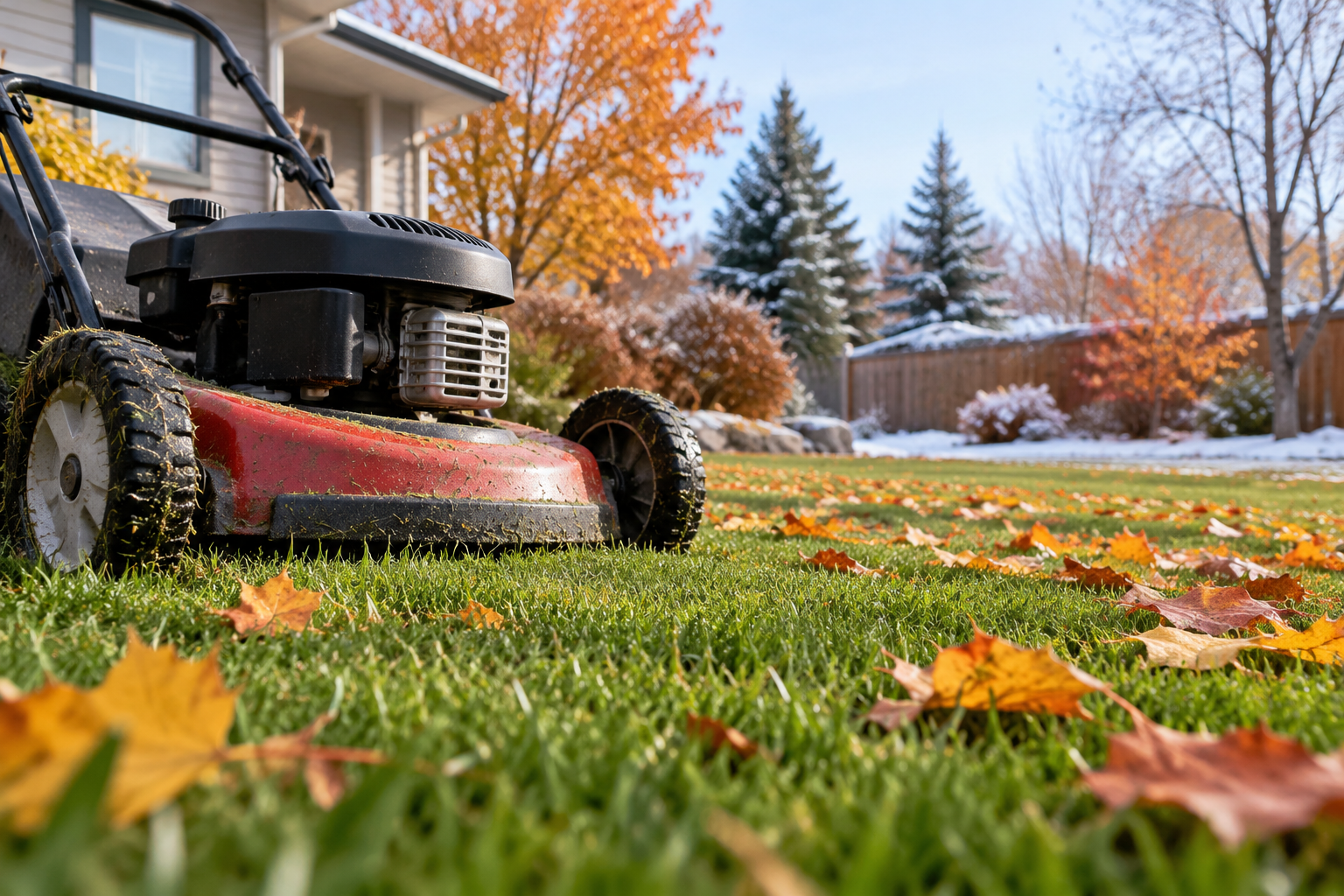
So, how short to cut grass before winter? For many common cool-season lawns, around 2 to 2.5 inches is a practical target for the final cut. The exact height depends on the grass type, your normal mowing height, and local conditions.

Limited spots available!
Transform your lawn today

Limited spots available!
Transform your lawn today
How Short Should You Cut Grass Before Winter?
Canadian lawns generally contain cool-season grasses such as Kentucky bluegrass, perennial ryegrass, and fescues. These grasses continue growing during the cooler conditions of fall before eventually becoming dormant.
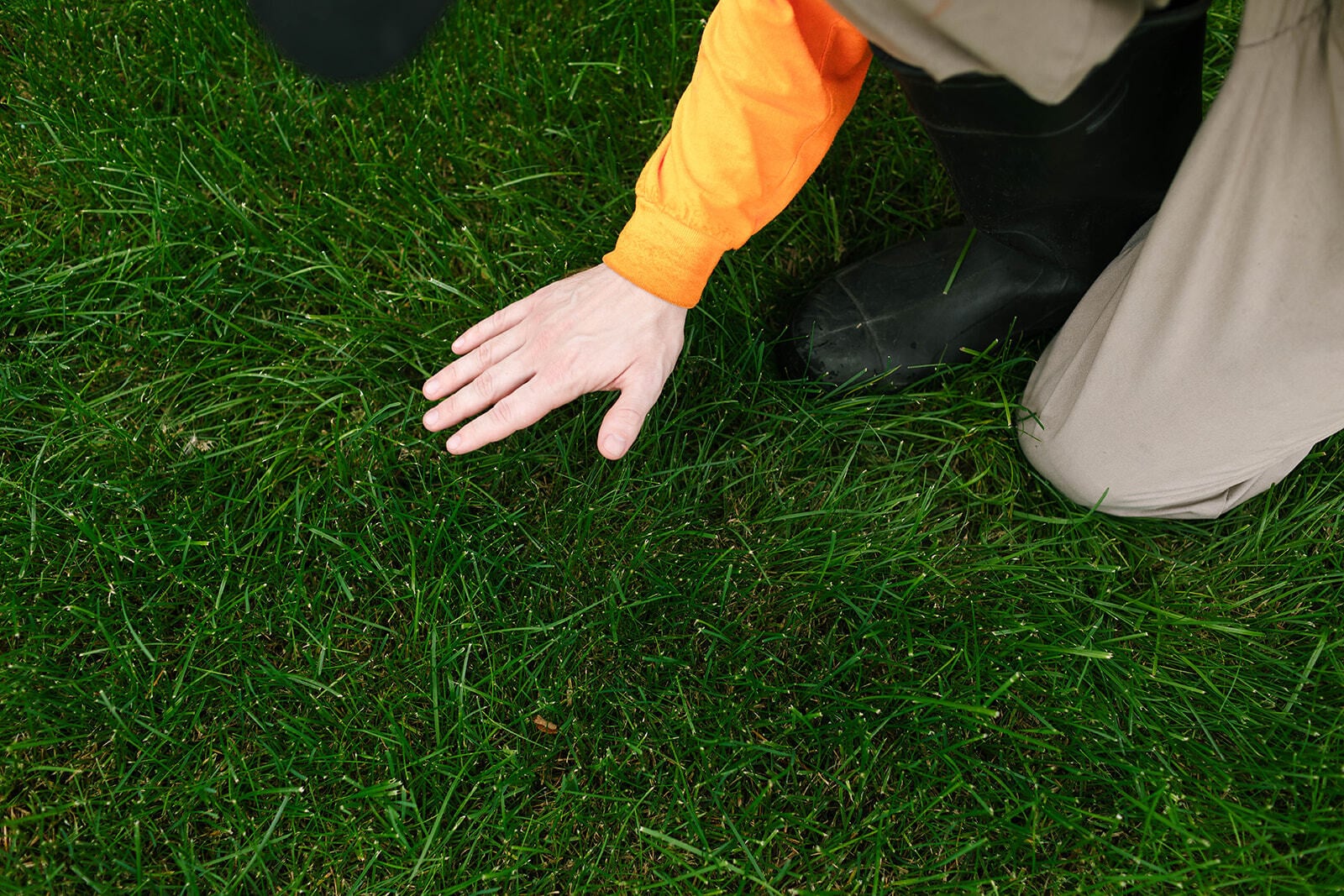
A lawn that is left excessively tall can become matted under snow. However, cutting it extremely short creates its own problems. The grass needs enough leaf area to continue photosynthesis and build energy reserves before winter.
For most lawns, aim for approximately 2 to 2.5 inches for the final cut. If you normally maintain your lawn at a taller height, reduce it gradually instead of trying to reach the final height in one mowing.
The most important point is simple: do not scalp the lawn.
Why cutting too short can hurt your lawn
Grass stores energy in its roots and crown as it prepares for winter. Removing too much leaf tissue at once can put unnecessary stress on the plant.
A very short cut can also:
- Reduce the leaf area available for photosynthesis
- Expose the crown and soil to harsher conditions
- Leave the grass with fewer energy reserves going into dormancy
- Increase stress when temperatures drop
- Make the lawn slower to recover when spring arrives
This is why the last cut should be about preparing the lawn for dormancy, not making it as short as possible.
What Height Is Best for Canadian Grass?
There is no single number that works perfectly for every lawn. Your usual mowing height is an important starting point.
If you normally keep your grass around 3 inches, lowering the mower slightly for the final cut may be enough. If you already maintain it near 2.5 inches, there may be little reason to make a major adjustment.
A gradual reduction is generally better than removing a large amount of grass at once. Follow the one-third rule and avoid removing more than about one-third of the blade during a single cut.
|
Lawn situation |
Practical approach before winter |
|
Grass normally maintained around 3–3.5 inches |
Gradually reduce the height toward about 2–2.5 inches |
|
Grass already maintained around 2.5 inches |
A major reduction may not be necessary |
|
Grass has become excessively tall |
Reduce height gradually rather than scalping |
|
Recently overseeded lawn |
Allow new grass to establish and reach an appropriate mowing height before cutting |
|
Frozen or frost-covered grass |
Wait until conditions improve before mowing |
When Should You Cut the Lawn for the Last Time?
Knowing when to cut the lawn for the final time is just as important as choosing the height.
Do not base the decision on the calendar alone. Fall weather can vary considerably across Canada. Instead, pay attention to the grass and the weather.
As temperatures fall, grass growth slows. Once the lawn has stopped actively growing and is approaching dormancy, there is little benefit to continuing regular mowing.
For the final cut, work backward from the expected arrival of persistent freezing conditions. This gives you time to gradually adjust the mowing height instead of making one aggressive cut.
Avoid mowing when the grass is frozen or covered with frost. Frozen blades can be damaged easily, and mowing wet conditions can also leave the turf matted or create ruts.
Should You Cut Grass Shorter to Prevent Snow Mold?
One reason homeowners sometimes cut grass extremely short before winter is the concern that long grass will cause mold beneath the snow.
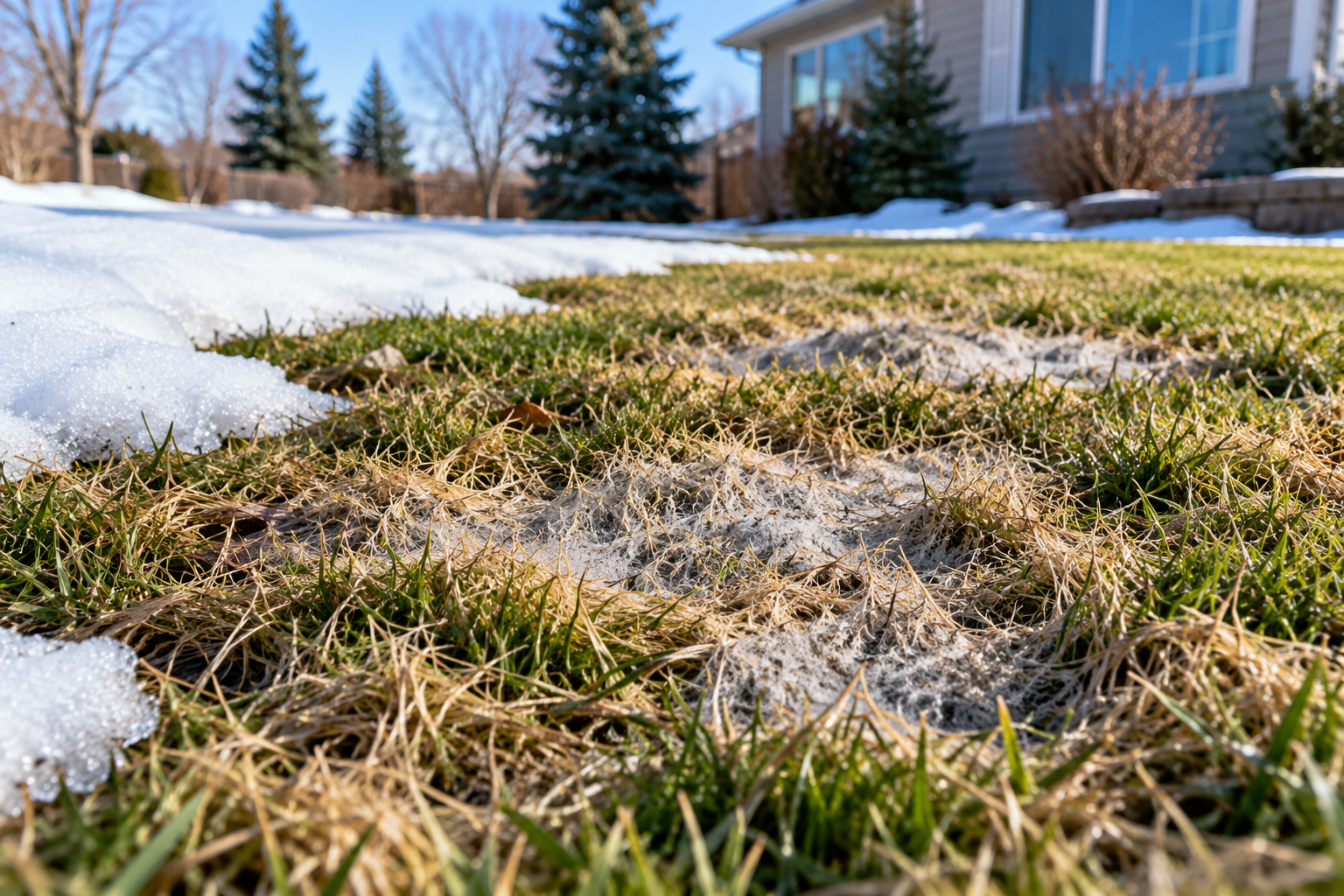
There is some logic behind keeping the lawn from becoming excessively tall and matted. A dense layer of wet leaves, grass, and other debris can create poor airflow. However, that does not mean the lawn should be scalped.
The better approach is to maintain an appropriate height and keep heavy organic debris from accumulating on the turf.
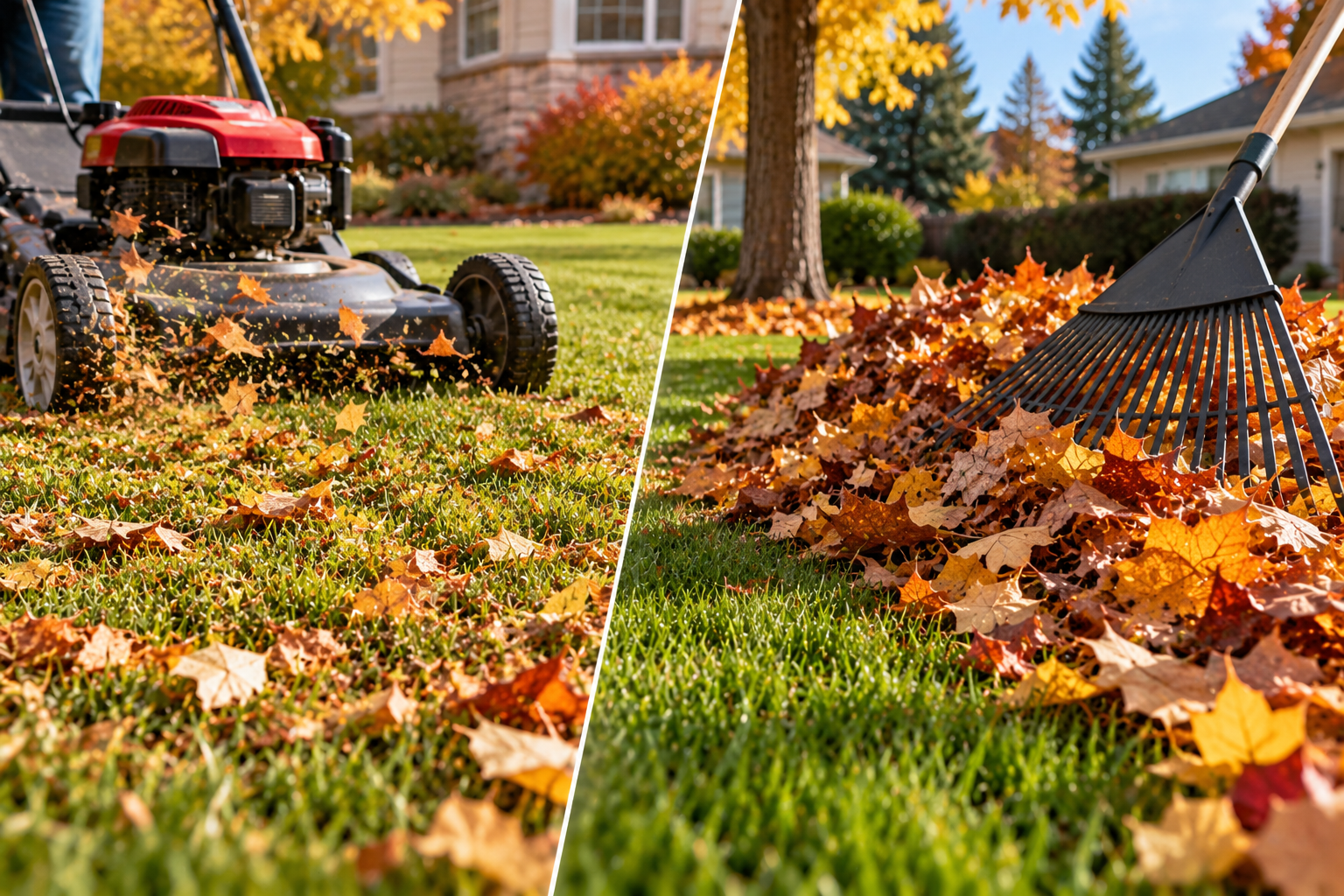
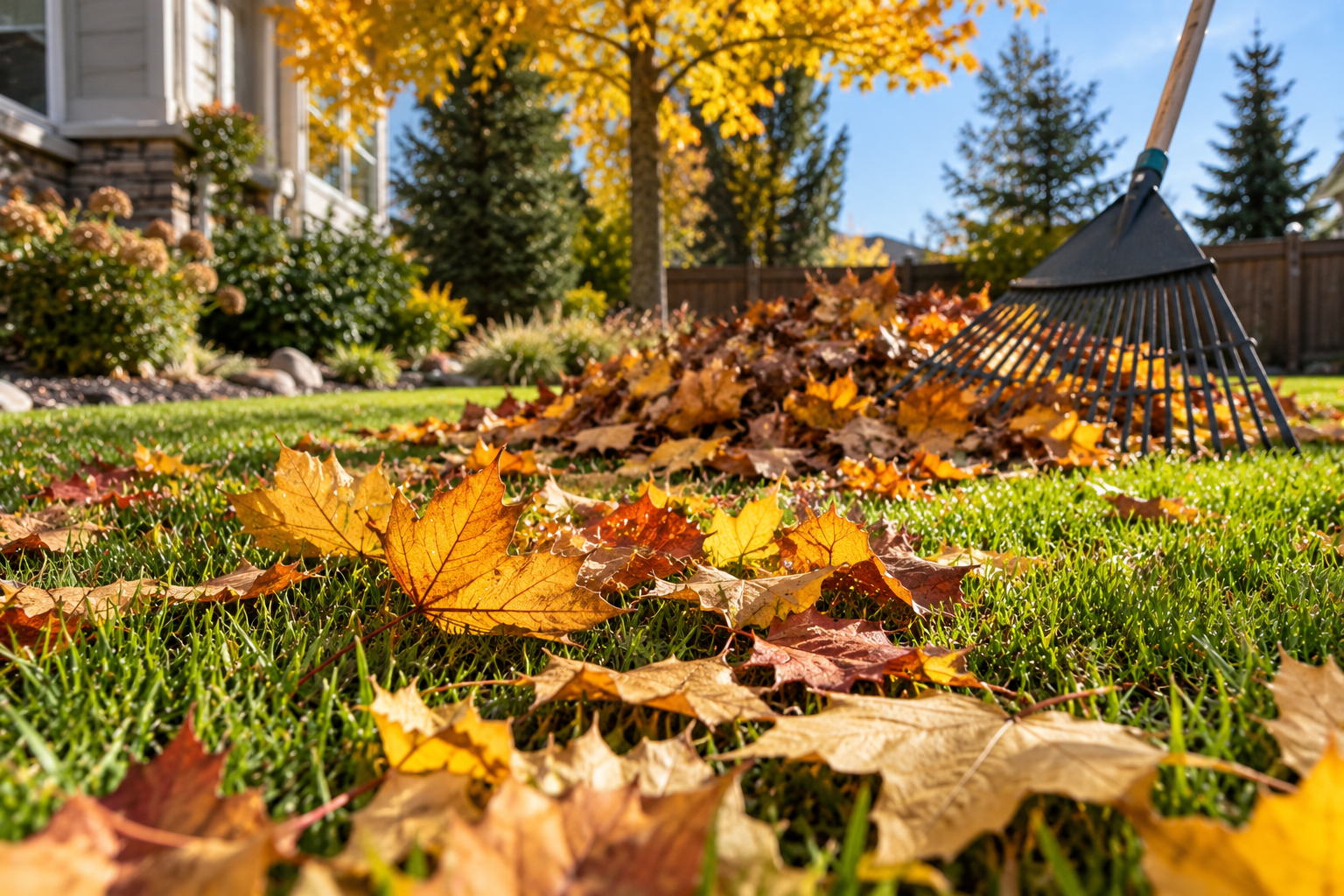
This is particularly important during a Canadian fall, when leaves can remain on the lawn while temperatures are already dropping. Regular cleanup helps prevent a thick layer of debris from sitting over the grass throughout winter.
Prepare Your Lawn Beyond the Final Cut
The final mowing height is only one part of getting your lawn ready for winter. Fall is also a useful time to address conditions that can affect turf health going into the colder months.
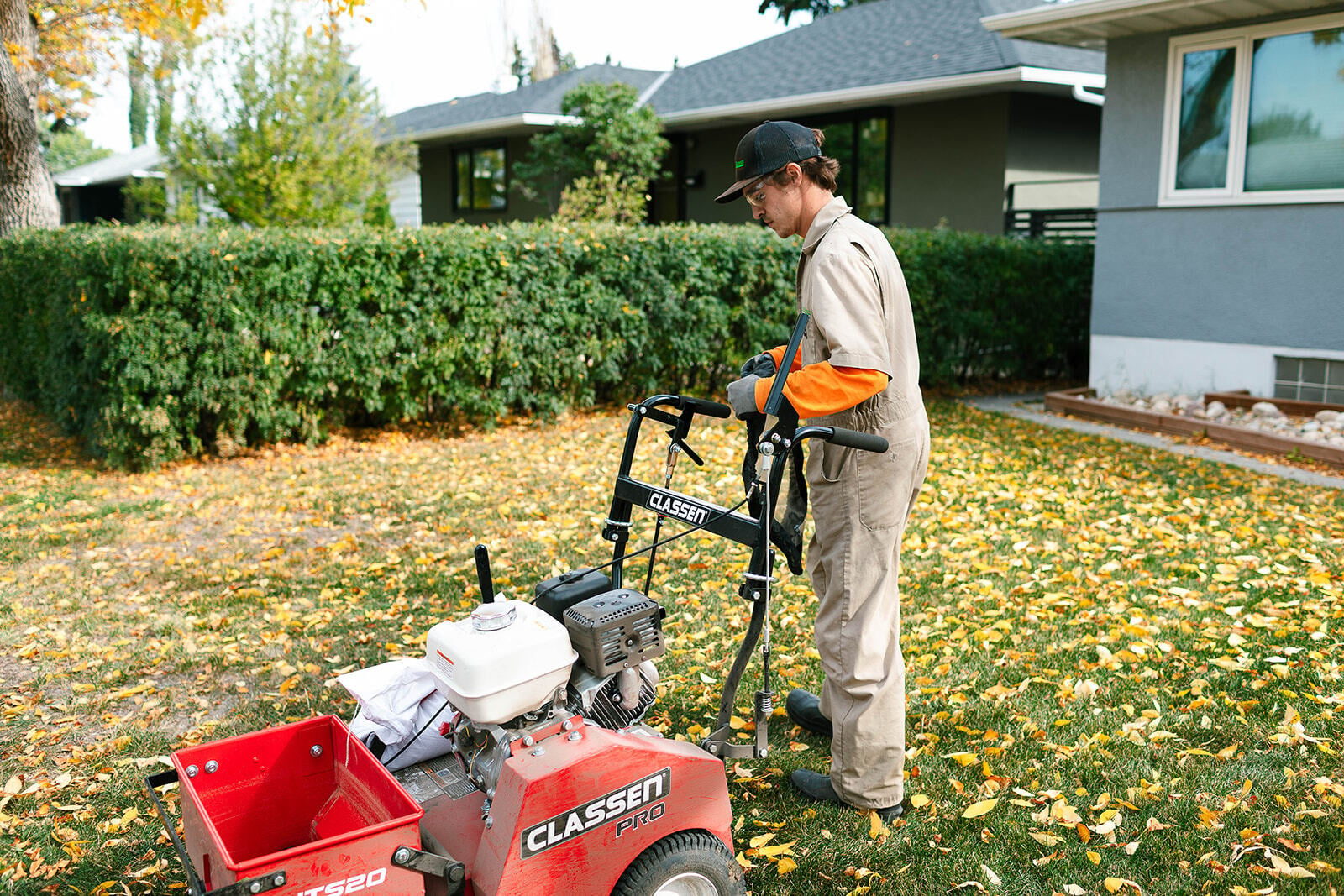
For example, mechanical aeration can help address compacted soil. If your lawn needs this type of treatment, Yard Dawgs offers lawn aeration services as part of its lawn care services.
Aeration can be particularly useful where soil has become compacted from regular foot traffic. Better soil conditions give the lawn a stronger foundation as it heads into dormancy.
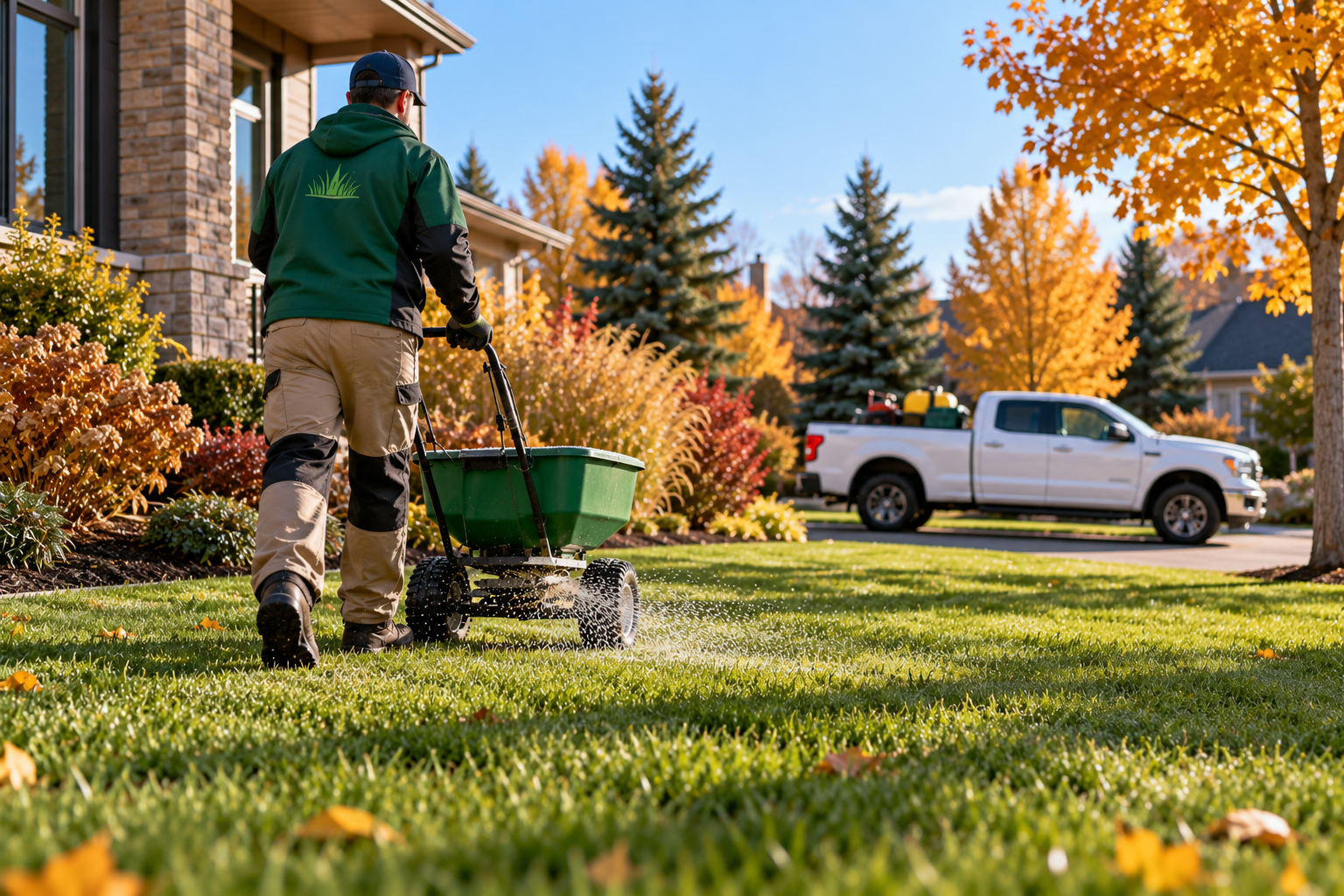
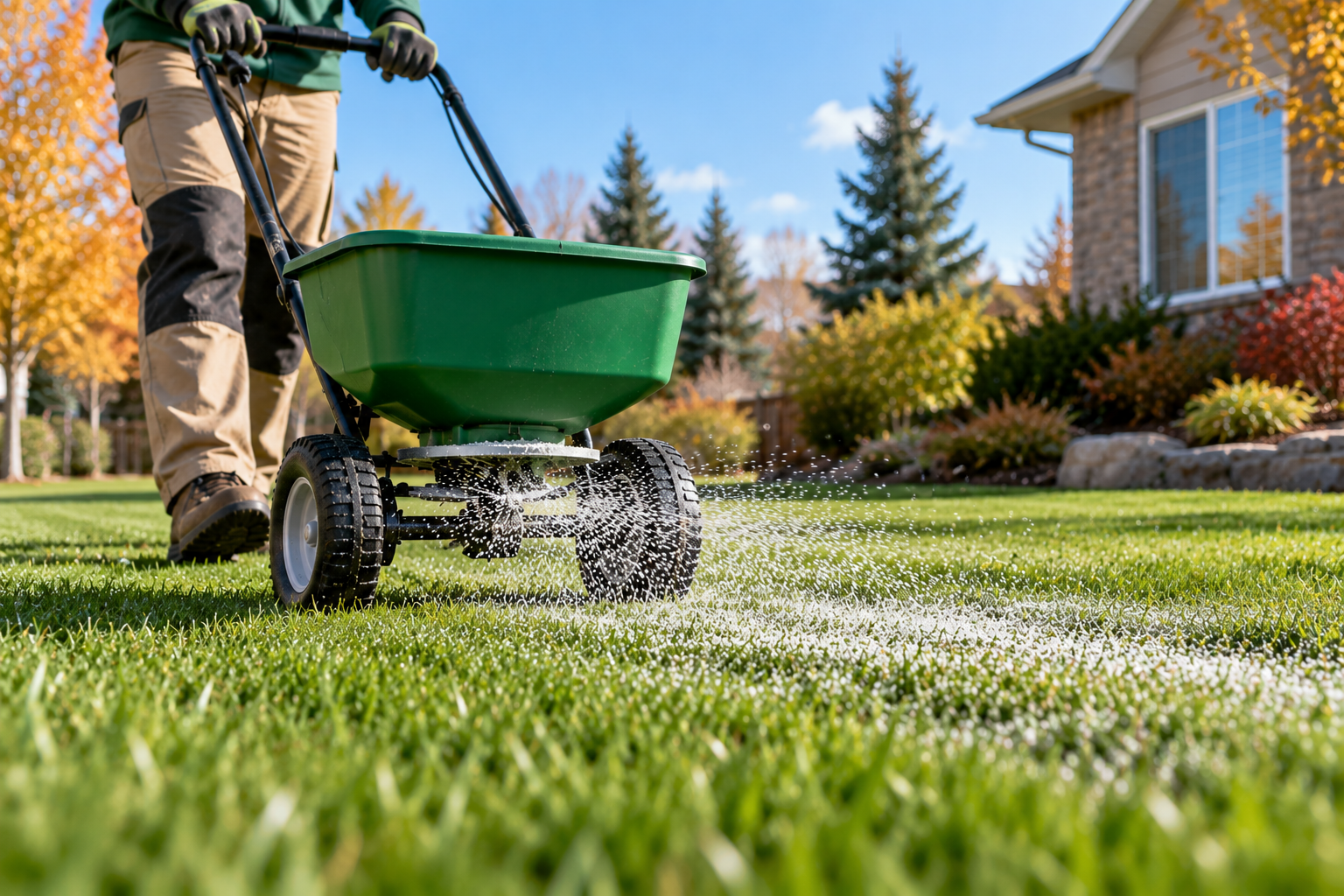
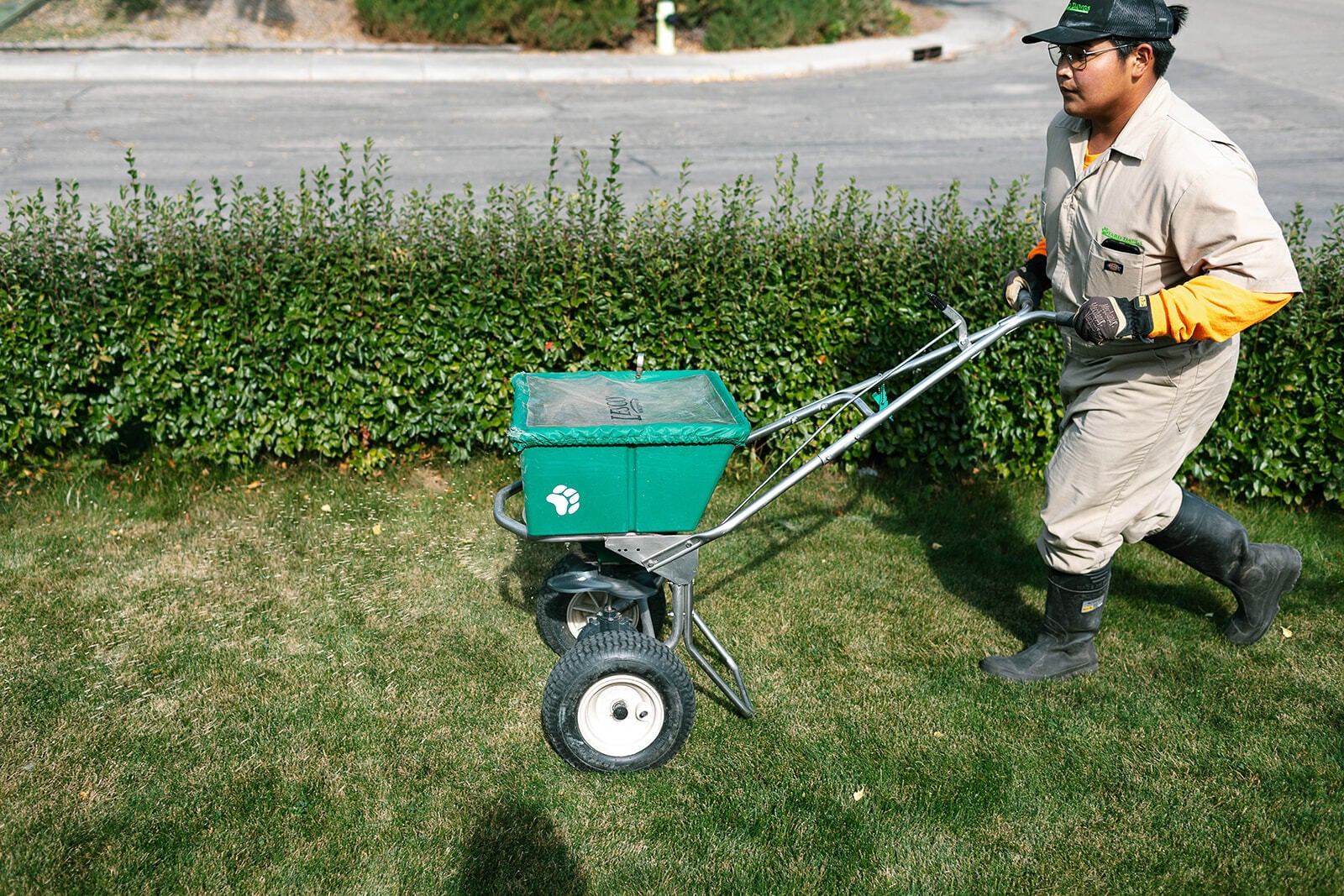
Fall is also an important time to make sure your lawn has access to the nutrients it needs. Yard Dawgs provides fertilizer services in its lawn care program.
What About Weeds Before Winter?
Fall lawn care is not only about getting the grass through winter. It is also an opportunity to address weeds before the next growing season.
If weeds are present, Yard Dawgs offers weed control as one of its lawn care services. This can be part of a broader approach to keeping the lawn healthy and looking its best.
The company also provides hardscape weed control for weeds growing in applicable hardscape areas.
A healthier, well-maintained lawn going into winter is better positioned to look its best when growth resumes.
Does Aeration Help Before Winter?
Aeration is another fall treatment worth considering when the lawn has compacted soil.
Yard Dawgs offers both mechanical aeration and liquid aeration. Its Aeration Plus service is another option available through the company's lawn care services.
The right approach depends on the condition of the lawn. Mechanical aeration physically opens the soil, while liquid aeration is a different treatment approach. Both are services Yard Dawgs provides, so homeowners can discuss their lawn's needs with the company.
Final Fall Lawn Care Checklist
Before winter arrives, focus on a few simple priorities rather than trying to make one final cut do everything.
- Gradually reach an appropriate final mowing height. For many Canadian cool-season lawns, around 2 to 2.5 inches is a useful target.
- Avoid scalping. Do not remove a large portion of the grass blade in a single cut.
- Keep leaves and heavy debris from accumulating. Excessive debris can mat down the turf and restrict airflow.
- Address lawn health issues before winter. Depending on your lawn's condition, services such as fertilizer, weed control, or aeration may be appropriate.
How Short to Cut Grass Before Winter in Calgary and Edmonton?
Canadian winter conditions vary by region, so your fall lawn routine should reflect your local climate and the condition of your turf.
Yard Dawgs provides lawn care services in Calgary, Edmonton, Red Deer, and Saskatoon, with annual Calgary lawn care plans available for ongoing care. Its approach includes services such as fertilizer, weed control, mechanical aeration, hardscape weed control, super juice, sea kelp, chinch bug treatment, and liquid aeration.
For homeowners in Calgary, the Calgary lawn care program provides access to the company's local lawn care services. Edmonton homeowners can also learn more about available treatments through Yard Dawgs Edmonton lawn care.
The company says its lawn care services are backed by a satisfaction guarantee and that customers can continue service until their lawn looks its best. With more than 4,000 happy customers, Yard Dawgs also assigns the same skilled team to a property to provide more consistent, personalized attention.
How Short Should Grass Be Before Winter?
For most Canadian cool-season lawns, 2 to 2.5 inches is a reasonable final mowing height. The goal is to avoid leaving the grass excessively tall while also avoiding an aggressive cut that stresses the plant.
Do not wait until the grass is frozen to make the final adjustment. As fall growth slows, gradually lower the mowing height while removing no more than one-third of the blade at a time.
Most importantly, don't confuse a short lawn with a prepared lawn. The best winter preparation combines an appropriate final height with good fall lawn care practices and treatments suited to the condition of your turf.